
Regulation has always been the quiet engine of change in the oil and gas industry. When authorities tighten certification requirements, training budgets follow, and when training standards shift, entire markets for learning technology are created. Right now, the industry is in one of those moments. Emergency response training, long treated as a box-ticking exercise built around slide decks and video screenings, is being rebuilt around measurable, scenario-based practice. At the center of this shift is the drilling emergency simulator, a technology that is changing not just how crews train, but what regulators, operators, and insurers expect from training providers in the first place.
The Regulatory Tailwind
The change is visible across jurisdictions. International certification bodies such as IADC and IWCF have steadily increased the practical, assessment-driven component of well control training, and several national oil companies now require documented simulator hours for contractor crews. Auditors no longer accept a certificate alone; they want evidence that the person holding it has actually demonstrated the skills under realistic conditions. A drilling emergency simulator answers this demand directly, because it produces exactly the kind of objective, repeatable evidence that regulators have been asking for: time-stamped actions, scenario outcomes, and debrief records that survive scrutiny.
The policy trend is likely to continue rather than reverse. After every major incident, the pattern repeats: investigations find gaps in emergency preparedness, regulators respond with stricter training requirements, and operators pass those requirements down to contractors and training providers. The industry’s aging workforce adds pressure from another direction. As experienced drillers retire, the knowledge that used to be transferred through years of mentorship must be transferred faster, and simulation is the most efficient vehicle available. Regulators are effectively outsourcing the judgment of experience to measurable training data, and simulators are the only tools that produce that data at scale.
From Compliance to Competence
The most important consequence of this shift is that emergency training is moving from compliance to competence. In the old model, a training center satisfied a requirement by delivering a fixed number of classroom hours. In the new model, it must demonstrate that trainees can actually respond: detect the kick, activate the BOP, coordinate the crew, and do it within the time window that a real emergency allows. This is a fundamentally different benchmark, and it changes what training providers must invest in. Static classroom aids cannot measure response time or decision quality. Only interactive simulation can, which is why training organizations that want to stay accredited are building their emergency curriculum around simulator platforms rather than adding them as an optional extra.
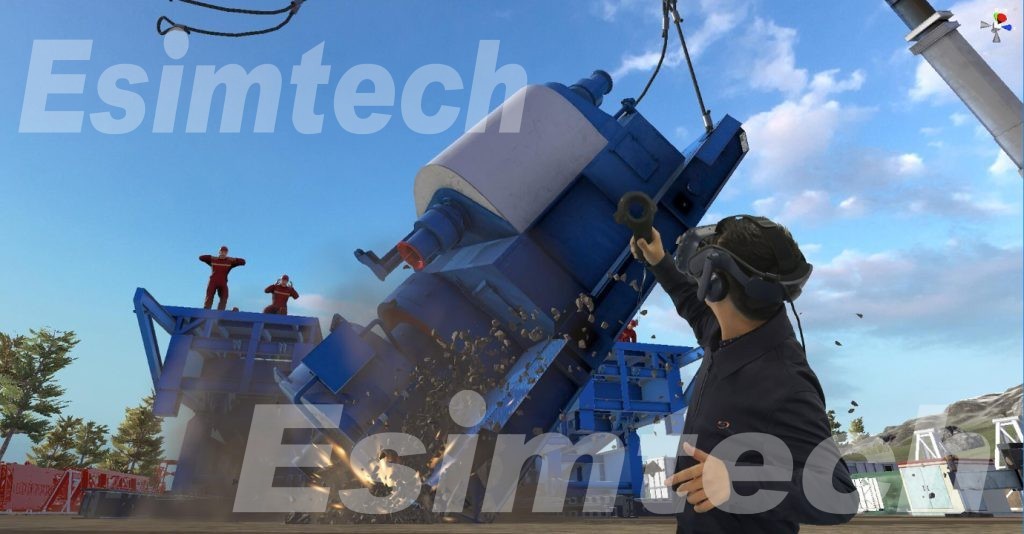
The competence model also changes the economics of training. A simulator costs more upfront than a projector and a stack of manuals, but it changes the conversation from cost to value. Training centers report that simulator-based emergency programs increase course throughput, since multiple crews can train in parallel, and they attract premium pricing, since operators will pay more for verifiable competence than for attendance. Insurance providers are beginning to recognize the pattern as well, with some underwriters considering simulator-based emergency training as a positive risk factor for drilling contractors. The equipment that once looked like a luxury line item is becoming a competitive requirement.
What This Means for the Training Industry
Over the next decade, the training industry will consolidate around providers that can deliver real competence, and that consolidation will favor institutions with serious simulation capability. Small centers that cannot afford full emergency simulators will increasingly partner with larger institutions or with vendors offering shared and remote platforms, rather than losing accreditation-bound students to competitors. Technology will accelerate the trend: drilling emergency simulator systems are already bringing full-mission emergency practice to centers that could never afford a physical mock-up, and cloud-based assessment is making consistent standards possible across borders.
For decision-makers, the strategic implication is clear. Emergency training standards are only going to become more demanding, and the institutions that invest early in simulation infrastructure, instructor capability, and documented assessment will hold a structural advantage. The training providers of the future will be measured not by the hours they deliver, but by the emergencies their graduates prevent. That is a standard that only simulation can meet, and it is why the drilling emergency simulator is not merely a new tool in the training room, but the shape of the training industry itself.