
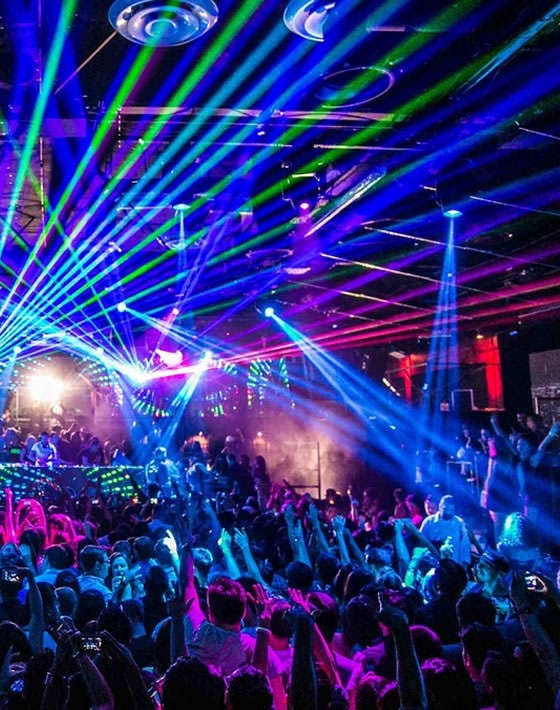
Nightclubs have extended used a unique devote urban tradition as vibrant modems of leisure, socialization, and self-expression. These active venues offer far more than simply a destination for a party; they represent an original ecosystem where music, light, style, and individual connection mix effortlessly to generate memorable experiences. Whether you are seeking an escape from the mundane, an opportunity to meet new persons, or simply a night filled with rhythmic beats and lively feelings, clubs continue to captivate thousands worldwide.
In the centre of each and every nightclub may be the audio — the driving power that shapes the atmosphere and mood of the entire space. From strong house and techno to hip-hop and pop remixes, DJs carefully curate their playlists to keep an dazzling traction that keeps the group moving. The sound system in a great nightclub is more than noisy speakers; it is a superior variety of technology developed to deliver crystal-clear, immersive audio that resonates with ab muscles key of the body. The bass thumping through the floorboards and the tune weaving through the air develop a multisensory knowledge that is as bodily since it is emotional.
Lighting also plays a crucial position in defining the nightclub experience. The interaction of colorful supports, strobes, and lasers, often synchronized with the beats, transforms the room right into a interesting visual spectacle. Lighting developers well use shadows and shows to emphasize the power on the dance floor, creating a hypnotic setting that draws people deeper into the rhythm. The visible consequences, with the audio, raise the nightclub from merely a place to a full-fledged immersive adventure wherever time seems to cloud and fact requires a backseat.
Beyond the technical and physical components, clubs offer as cultural domains where people connect, enjoy, and show their individuality. The nightclub setting encourages flexibility of appearance, letting attendees to gown plainly, party easily, and interact with no limitations of everyday life. It is really a place where strangers become buddies and wherever social limits usually melt under the discussed love of audio and movement. The feeling of neighborhood and belonging fostered by nightlife is powerful, often creating lasting memories and actually ongoing friendships.
More over, nightclubs are important national landmarks that reveal and impact developments in audio, style, and cultural behavior. They act as incubators for emerging musicians and new sounds, giving increase to genres that later permeate mainstream culture. Nightlife scenes in towns like Berlin, New York, and Ibiza have formed the world wide audio landscape and continue to motivate creativity and innovation. The cultural significance of nightclubs extends beyond activity; they’re places wherever cultural change occurs and wherever new some ideas are born.
Lately, the night 대구나이트 market has faced issues from adjusting cultural habits, scientific disruptions, and worldwide activities, yet it continues to evolve and adapt. Contemporary nightclubs usually incorporate digital engineering, fun installations, and inspired activities to enhance the guest experience. Regardless of the increase of at-home entertainment possibilities, the irreplaceable power of a live, collective experience maintains clubs relevant and thriving. The public joy of dancing together below sporting lights to a shared overcome remains a common individual craving that transcends generations.
In conclusion, clubs signify more than evening activity venues. They are vibrant social ecosystems wherever audio, light, tradition, and individual relationship converge to make a distinctly exhilarating experience. As areas of flexibility, imagination, and community, nightclubs continue to be important metropolitan landmarks that reveal the pulse of modern society. Whether being an escape, a celebration, or a system for ethnic innovation, the nightclub stays an enduring image of modern nightlife’s power to unite and inspire.