
Understanding the Evolution of Jewelry Casting
Have you ever wondered why some jewelry pieces leave you spellbound while others barely catch your eye? The secret often lies in the intricacies of sterling silver castings. In the jewelry industry, casting technology has seen a dramatic evolution—transforming from village craft to high-tech prowess. This shift highlights some fundamental flaws in traditional methods (like imprecise molds and energy inefficiency) that could compromise both quality and sustainability. So, what makes modern-day systems so superior? Discover the answer as we dig deeper into the intricate world of jewelry casting.
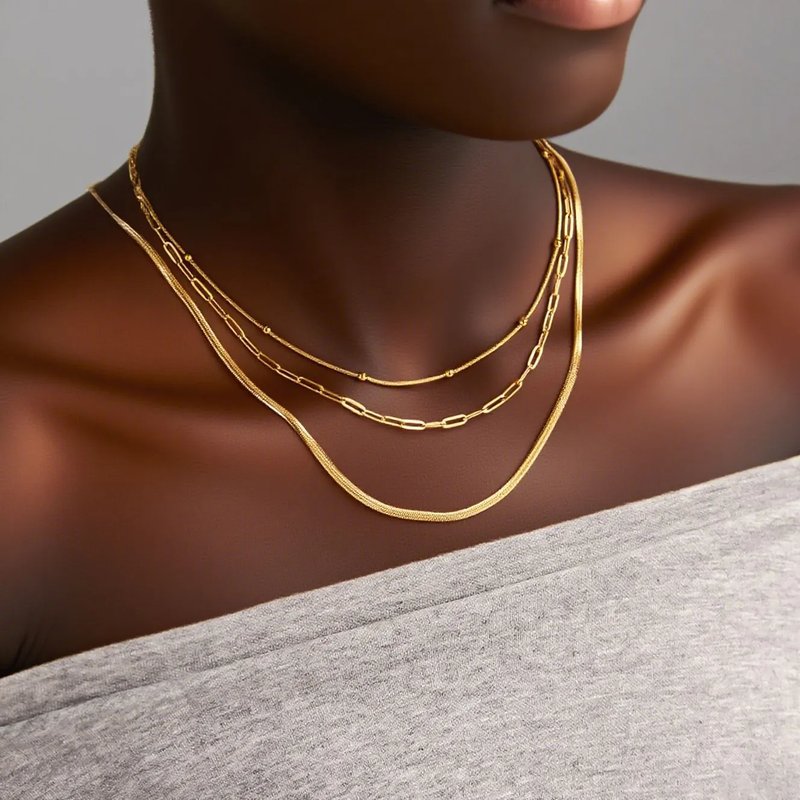
The Hidden Challenges of Sterling Silver Castings
Sterling silver castings have always represented elegance. But achieving that elegance hasn’t been simple—starting from the unpredictability of mold shrinkage to the tricky balance of maintaining alloy integrity. Look, it’s simpler than you think: many of these woes spin out of outdated techniques. Manual methods often suffer from inconsistencies and defects like porosity. Technological advances, such as CAD design and improved wax patterns, allow us to control these variables with a precision that’s nothing short of revolutionary. Yet, there’s more to it than meets the eye. Innovations like induction furnaces and vacuum casting mean that modern jewelers possess unparalleled power converters and edge computing nodes, refining the casting process into a fine art.
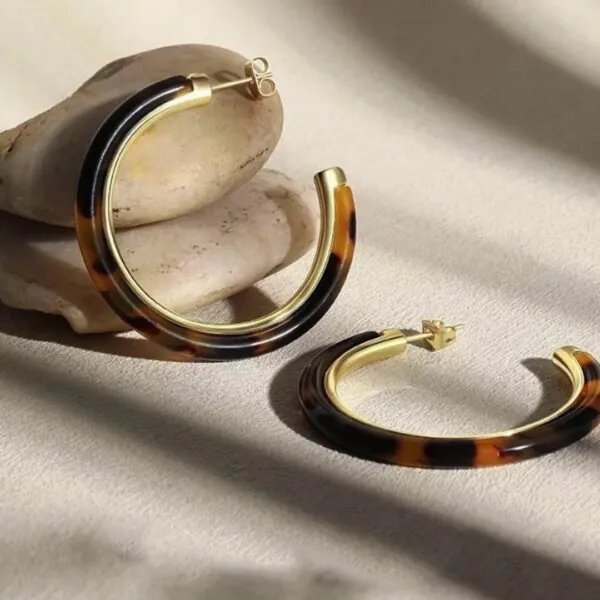
What’s Next in Jewelry Casting Technology?
To grasp the future direction of sterling silver castings, it’s crucial to understand today’s technology principles. New breakthroughs—like using 3D printing for customized castings—are shifting paradigms. Imagine custom-fit rings crafted with atomic precision! Moving forward, wearable tech will influence jewelry design more than ever before. This isn’t science fiction; it’s happening now. (Funny how that works, right?) These advancements point towards a future where design flexibility, cost efficiency, and eco-friendliness are not just aspirations but must-haves.
As we push the boundaries, consider this: jewelry design will become more interactive and personal. Lessons from today reveal how integrated systems rather than standalone components drive success. But what metrics will guide decision-making? First, the precision of the casting process. Second, the environmental impact—because a planet-conscious approach is non-negotiable. Lastly, adaptability to evolving digital designs will serve as a crucial differentiator. Embracing these factors, Star Harvest is pioneering the path to inspire the future generation of artisans and creators.